

Kids ask: How Smart Is an Octopus?
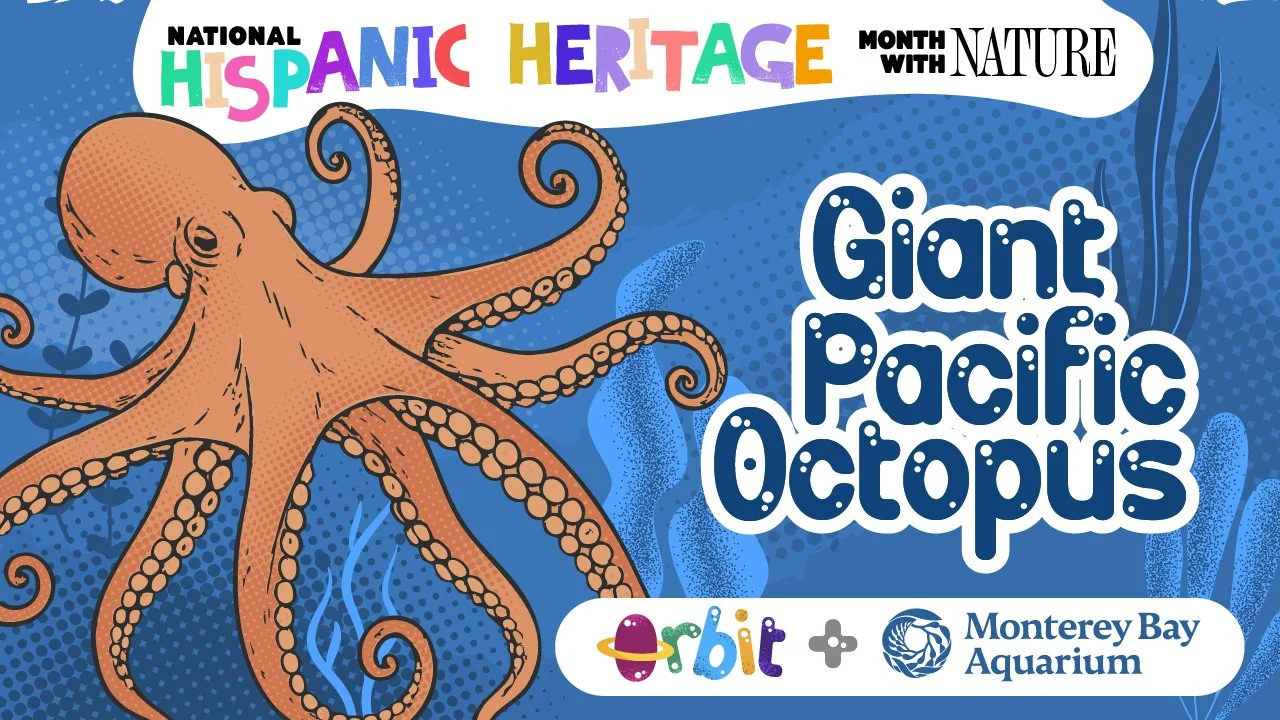
Exploring the Giant Pacific Octopus for Kids (Ages 3–11)
Links to Listen: Spotify, Apple Podcasts, More platforms
Submit questions for episodes here.
In this ocean adventure episode of Orbit: Science for Kids on the Move, kids dive deep into the world of the giant Pacific octopus with Renee Carbajo, a marine biologist at the Monterey Bay Aquarium.
Through imaginative storytelling and real questions from kids, listeners learn what makes octopuses some of the most unique and intelligent animals on Earth. From having nine brains and three hearts to changing color like a chameleon, Renee explains how octopuses hunt, protect themselves, and survive in the deep ocean.
This episode introduces key marine biology concepts while helping kids understand animal adaptations, ocean ecosystems, and how humans can help protect ocean life.
Episode Vocabulary
Build science language while you listen!
Octopus: A sea animal with eight arms, no bones, and a highly intelligent brain
Invertebrate: An animal without a backbone
Suction Cups: Round structures on an octopus’s arms used for gripping, tasting, and smelling
Camouflage: The ability to change color or texture to blend into surroundings
Siphon: A tube octopuses use to shoot ink or move through water
Predator: An animal that hunts other animals for food
Venom: A substance used by animals to stop or harm prey
Radula: A tongue-like structure with tiny teeth used to scrape food
Marine Biologist: A scientist who studies ocean life
Habitat: The natural home of an animal
Children’s questions in this episode
Submit questions for upcoming episodes here.
What is a giant Pacific octopus?
How smart are octopuses?
Why do octopuses have nine brains?
How big can a giant Pacific octopus get?
Where do giant Pacific octopuses live?
Do octopuses have arms or tentacles?
How do octopuses use suction cups?
How do octopuses hunt and what do they eat?
How do octopuses protect themselves from predators?
What is octopus ink and how does it work?
How do octopuses camouflage?
How are baby octopuses born?
How many eggs does a mother octopus lay?
Why do mother octopuses protect their eggs?
How can humans help protect octopuses and ocean life?
After listening: conversation starters
What is the coolest thing you learned about octopuses?
If you had an octopus superpower, which one would you choose?
What things can we do to help protect animals in the ocean like octopuses?
About the expert
Renee Carbajo is a marine biologist at the Monterey Bay Aquarium in California who studies and cares for ocean animals while helping people learn how to protect marine life.
Why STEM Podcasts for Kids?
Research shows that podcasts like Orbit: Science for kids on the move! help kids build early STEM identity while sparking curiosity and imagination about the world around them. By hearing real experts and big questions, children begin to see themselves as scientists.
They also offer engaging, screen-free entertainment—perfect for car rides and on-the-go learning—while growing science vocabulary, strengthening critical thinking, and introducing kids to real-world STEM careers in a fun, accessible way.